
About CWRI
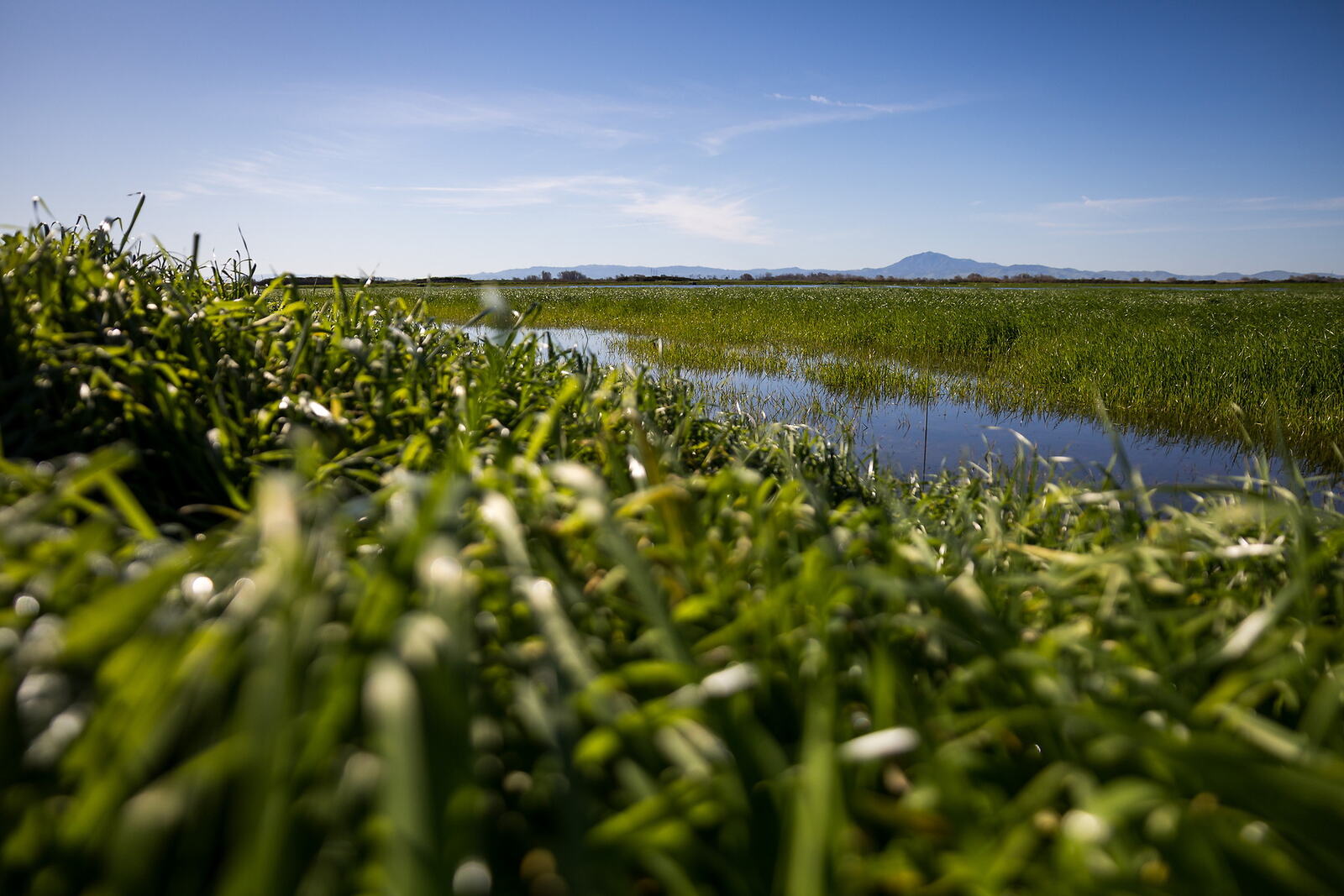
Sacramento–San Joaquin Delta · 2025 · California DWR
What we do
The California Water Resilience Initiative (CWRI) is a private sector-led initiative launched in 2023, that moves corporate funding into California water projects. CWRI is the California basin collaborative of the Water Resilience Coalition, which organizes companies together in the basins where they operate. California was the first basin to organize.
In response to California’s Water Supply Strategy, which projects the state could lose 10% of its water supply by 2040, CWRI set a target to reduce, reuse, and restore one million acre-feet of water per year by 2030.
CWRI is managed by the Pacific Institute, with Ecolab as Basin Champion, General Mills as Basin Leader, and LimnoTech as technical advisor. CWRI matches corporate money with vetted California water projects, ensuring the efforts are effective and measurable against the State’s goals.
The Challenge
Why this work matters to California
Water is the lifeblood of California.
It provides for the needs of more than 39 million people and the health of the state’s ecosystems. As the world’s fourth-largest economy, California is the most economically productive state in the U.S. and produces more than half of the nation’s fruits and vegetables. Yet supply is tightening. Growth, development, and climate change are straining the state’s water resources, impacting water supply, demand, and quality.
For businesses, water stress is no longer only an environmental issue. It is an operational, supply chain, and reputational risk. Companies can improve water management in their operations and value chains, and many set goals to balance their water footprint by investing in replenishment projects in local communities and watersheds.
But individual efforts cannot secure an entire watershed. CWRI exists so companies can act together: on projects, on public policy, and on the partnerships that bring innovation to one of the biggest challenges the state faces.
The Model
How CWRI Works
CWRI connects companies, state agencies, and funders with vetted California water projects to make collective progress toward California’s water resilience goals.
- Convene CWRI brings companies, state agencies, funders, and project implementers into the same room to build partnerships and share learnings through quarterly webinars and an Annual Forum.
- Co-create Projects are developed against California’s own water priorities, in alignment with the state Water Supply Strategy, so corporate investment reinforces public policy instead of running parallel to it.
- Fund CWRI connects companies with vetted projects matched to their water stewardship goals, geography, and reporting needs.
- Track Outcomes are measured in volumetric water benefit and reported publicly, with technical analysis by LimnoTech.
Team
The team behind CWRI
CWRI is managed by the Pacific Institute. These are the people who coordinate the initiative day to day.

CWRI Program Lead
Cora Snyder
Pacific Institute

CWRI Program Support
Anna Lenaker
Pacific Institute

CWRI Technical Lead
Eddie Corwin
Water Stewardship Strategist, LimnoTech

CWRI Technical Lead
Laura Ziemelis
VP & Water Stewardship Lead, LimnoTech

CWRI Basin Champion
Emilio Tenuta
CSO & SVP, Ecolab

CWRI Basin Champion
Reilly Goodwin
VP of Water Partnerships & Community Impact, Ecolab

CWRI Basin Champion
Valerie Valentine
Water Partnerships, Ecolab

CWRI Basin Leader
Kate Ivancic, PhD
Senior Scientist, ITQ, Agricultural Solutions Team, General Mills
History
CWRI’s history
CWRI is a collaborative of the Water Resilience Coalition, which was initially established under the CEO Water Mandate through a collaboration between the United Nations Global Compact and the Pacific Institute. The Water Resilience Coalition is now a subsidiary of the Pacific Institute, and works to mobilize corporate water stewardship in 100 water-stressed basins worldwide. In 2023, California became the first basin to organize under that effort, and the California Water Resilience Initiative launched with Ecolab and General Mills in leadership roles and the Pacific Institute as manager.
Today, CWRI operates as the California basin collaborative of the Water Resilience Coalition, alongside collaboratives in other basins across the U.S. and around the world.
Milestones
- 2020 — Water Resilience Coalition launched as an initiative of the UN Global Compact’s CEO Water Mandate.
- 2023 — CWRI launched; California becomes the first basin to organize.
- 2023–2025 — Annual California Water Resilience Forums convene business, government, and civil society leaders. Over 50 projects contributing to CWRI’s target.
- 2026 — CWRI receives the Global Water Awards’ Distinction Award for Stewardship; 4th Annual Forum held in San Francisco; over 81 projects contributing to CWRI’s target.
Water Resilience Coalition · Pacific Institute · Water Action Hub
Questions
Questions and answers
What is the California Water Resilience Initiative?
The California Water Resilience Initiative (CWRI) is a private sector-led collaborative working to reduce, reuse, and restore one million acre-feet of California water per year by 2030. Launched in 2023 and managed by the Pacific Institute, CWRI is the California basin collaborative of the Water Resilience Coalition. It connects corporate funding to vetted water stewardship projects across the state. Ecolab serves as Basin Champion and General Mills as Basin Leader.
Why does California need this?
California’s Water Supply Strategy projects the state could lose 10% of its water supply by 2040. The state supports more than 39 million people, produces over half of the nation’s fruits and vegetables, and runs the world’s fourth-largest economy — all on a water system under increasing pressure from growth, development, and climate change. CWRI’s one-million-acre-foot target is aligned to California’s own Water Supply Strategy.
What does a company get from joining CWRI?
Companies gain access to a vetted pipeline of California water projects matched to their stewardship goals and operating geography, measurable volumetric water benefit they can report against, direct engagement with California state agencies, and a network of corporate water leaders. Participation is open to any company; project investments start at $50,000 per project.
How much progress has CWRI made?
Outcomes are tracked by the Pacific Institute with technical analysis by LimnoTech. See our most up to date results →
What kinds of projects does CWRI support?
CWRI-supported projects fall into three areas. Nature-based solutions include floodplain reconnection in the Sacramento Valley and meadow restoration in the Sierra headwaters. Agricultural water management includes irrigation modernization and groundwater recharge in the San Joaquin Valley. Community water resilience includes urban green stormwater infrastructure and water efficiency upgrades in low-income housing. Read more →
How is CWRI different from a corporate water donation?
CWRI projects are developed in alignment with California’s public water priorities, so corporate investment reinforces state policy rather than running alongside it. Projects are vetted for water benefit and implementation capacity before entering the portfolio, and outcomes are measured in volumetric water benefit and reported publicly. CWRI does not implement projects itself — it connects funding to the organizations that do.